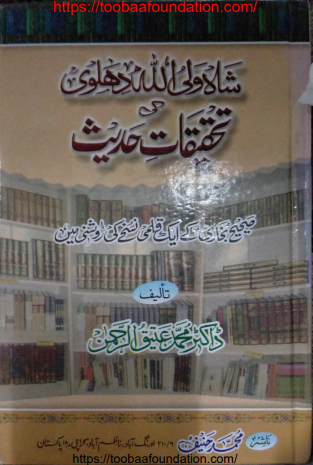
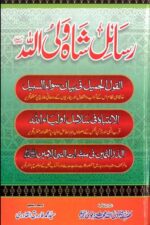
شاہ ولى اللہ دهلوى کی تحقيقات حديث
صحیح بخاری کے ایک قلمی نسخے کی روشنی میں
تأليف : ڈاکٹر محمد عتیق الرحمٰن
Shah waliullah dehlvi ki tahqeqaat e hadeez
Sahih bukhari k qalmi nuskhay ki roshani me .
By : Dr Atiq u rahman.
شاہ ولى اللہ دهلوى کی تحقيقات حديث
صحیح بخاری کے ایک قلمی نسخے کی روشنی میں
تأليف : ڈاکٹر محمد عتیق الرحمٰن
Shah waliullah dehlvi ki tahqeqaat e hadeez
Sahih bukhari k qalmi nuskhay ki roshani me .
By : Dr Atiq u rahman.
شاہ ولى اللہ دهلوى کی تحقيقات حديث
صحیح بخاری کے ایک قلمی نسخے کی روشنی میں
تأليف : ڈاکٹر محمد عتیق الرحمٰن
Shah waliullah dehlvi ki tahqeqaat e hadeez
Sahih bukhari k qalmi nuskhay ki roshani me .
By : Dr Atiq u rahman.
| BOOK NAME | |
|---|---|
| BOOK AUTHOR | |
| BOOK PUBLISHER | |
| BOOK PAGES | 211 |
| LIBRARY | |
| FORMAT | |
| LANGUAGE | |
| Binding ( hard/ card) | You will get this book easily in format of Kindle, PDF, Paper back and in hard cover. I will suggest you to buy this book in PDF from us that is much cheap for you through WhatsApp or email etc. |
There are no reviews yet.

Imam Malik ibn Anas and Imam Muhammad ibn al-Hasan. This topic is of particular interest to students of hadith, as it relates to the transmission and narration of the Muwatta, a significant collection of hadith and legal rulings. Let’s break down the topic step by step:
In summary, the topic of “The Muwatta of Imam Malik ibn Anas in the narration of Imam Muhammad ibn al-Hasan” refers to the process of how Imam Muhammad ibn al-Hasan, a student of Imam Malik, learned and transmitted the Muwatta collection. This transmission helps maintain the accuracy and authenticity of the collection, making it a reliable source of guidance for students of hadith, scholars, and anyone seeking a deeper understanding of Islamic law and teachings.
The Muwatta of Imam Muhammad is an important and influential collection of hadith (sayings, actions, and approvals of the Prophet Muhammad) and legal rulings in Islamic jurisprudence (fiqh). It holds a significant place in Islamic scholarship and is highly regarded by scholars, jurists, and students of Islam.
Here are some key points that describe the importance of the Muwatta of Imam Muhammad:
In summary, the Muwatta of Imam Muhammad holds immense importance due to its authenticity, comprehensive content, influence on jurisprudence, accessibility, cross-tradition appeal, historical insights, and role in preserving Islamic tradition. It continues to be studied and referenced by scholars and students of Islam worldwide as a valuable source of guidance and knowledge.
Imam Muhammad ibn Hasan al-Shaybani, known as one of the “Two Companions,” is one of the distinguished disciples of Imam Abu Hanifa. Among his two prominent disciples, the other is Imam Abu Yusuf. Imam Muhammad’s works encompass all aspects of jurisprudence and law, and they are highly comprehensive. His significant contributions have greatly influenced later Hanafi scholars.
Within the Hanafi school of thought, Imam Muhammad al-Shaybani holds a central position. He is considered a key figure in Sunni jurisprudential tradition and a bridge between different schools of thought. Among his contemporaries, his esteemed scholars include both Imam Abu Hanifa and Imam Malik. Notably, Imam Shafi’i is also counted among his students, and Imam Ahmad ibn Hanbal, a student of Imam Shafi’i, further connects him to the third major school of thought. Thus, Imam Muhammad al-Shaybani’s teachings are intertwined with the founders of all four major jurisprudential schools, showcasing his profound influence.

The statement “In the religions of the world, sacred rituals, spiritual thought, and religious rulings exist” suggests that across various religious traditions, there are fundamental elements that encompass the practices, beliefs, and regulations associated with faith.
The mention of “sacred rituals” implies that religious communities engage in specific ceremonies, actions, or observances that hold profound significance within their respective religious frameworks. These rituals often serve as a means of connecting with the divine, expressing devotion, or commemorating important events or figures within the religion.
“Spiritual thought” points to the intellectual and contemplative aspects of religious life. It highlights the deep reflections, philosophical inquiries, and contemplative practices that individuals within religious communities may undertake to explore the nature of spirituality, the purpose of human existence, and the relationship between the individual and the divine or transcendental.
Lastly, “religious rulings” refers to the set of guidelines, principles, or codes of conduct that govern the beliefs and practices within a religious system. These rulings may encompass ethical and moral standards, legal interpretations, guidelines for worship, and rules regarding interpersonal interactions or social behavior.
Overall, this note suggests that within the rich tapestry of religious diversity worldwide, sacred rituals, spiritual reflection, and religious regulations play integral roles in shaping and defining religious traditions, fostering a sense of community, and guiding the religious experiences and practices of believers.
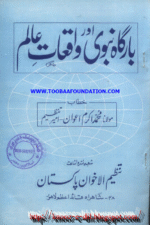
Barghah-e-Nabwi ﷺ aur Waqiat-e-Aalam | بارگاہ نبوی ﷺ اور واقعات عالم مولانا اکرم اعونؒ کی ایک جامع تقریر ہے جس میں حضور نبی کریم ﷺ کی زندگی، اہم اسلامی واقعات، صحابہ کرامؓ کی خدمات، اور اسلامی تاریخ کے قابل ذکر حالات تفصیل سے بیان کیے گئے ہیں۔
تقریر میں اسلامی تعلیمات، سیرت النبی ﷺ، اخلاقی اصول اور روحانی بصیرت کو اجاگر کیا گیا ہے۔ مولانا اکرم اعونؒ نے موجودہ دور کے مسائل، اسلامی فہم، اور نوجوان نسل کے لیے دینی رہنمائی کے نکات بھی شامل کیے ہیں۔ یہ تقریر اسلامیات، سیرت، روحانیت اور اسلامی تاریخی واقعات میں دلچسپی رکھنے والے قارئین اور طلبہ کے لیے نہایت مفید ہے۔
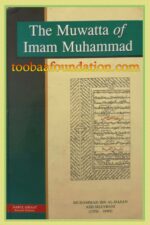
Imam Malik ibn Anas and Imam Muhammad ibn al-Hasan. This topic is of particular interest to students of hadith, as it relates to the transmission and narration of the Muwatta, a significant collection of hadith and legal rulings. Let’s break down the topic step by step:
In summary, the topic of “The Muwatta of Imam Malik ibn Anas in the narration of Imam Muhammad ibn al-Hasan” refers to the process of how Imam Muhammad ibn al-Hasan, a student of Imam Malik, learned and transmitted the Muwatta collection. This transmission helps maintain the accuracy and authenticity of the collection, making it a reliable source of guidance for students of hadith, scholars, and anyone seeking a deeper understanding of Islamic law and teachings.
The Muwatta of Imam Muhammad is an important and influential collection of hadith (sayings, actions, and approvals of the Prophet Muhammad) and legal rulings in Islamic jurisprudence (fiqh). It holds a significant place in Islamic scholarship and is highly regarded by scholars, jurists, and students of Islam.
Here are some key points that describe the importance of the Muwatta of Imam Muhammad:
In summary, the Muwatta of Imam Muhammad holds immense importance due to its authenticity, comprehensive content, influence on jurisprudence, accessibility, cross-tradition appeal, historical insights, and role in preserving Islamic tradition. It continues to be studied and referenced by scholars and students of Islam worldwide as a valuable source of guidance and knowledge.
Imam Muhammad ibn Hasan al-Shaybani, known as one of the “Two Companions,” is one of the distinguished disciples of Imam Abu Hanifa. Among his two prominent disciples, the other is Imam Abu Yusuf. Imam Muhammad’s works encompass all aspects of jurisprudence and law, and they are highly comprehensive. His significant contributions have greatly influenced later Hanafi scholars.
Within the Hanafi school of thought, Imam Muhammad al-Shaybani holds a central position. He is considered a key figure in Sunni jurisprudential tradition and a bridge between different schools of thought. Among his contemporaries, his esteemed scholars include both Imam Abu Hanifa and Imam Malik. Notably, Imam Shafi’i is also counted among his students, and Imam Ahmad ibn Hanbal, a student of Imam Shafi’i, further connects him to the third major school of thought. Thus, Imam Muhammad al-Shaybani’s teachings are intertwined with the founders of all four major jurisprudential schools, showcasing his profound influence.
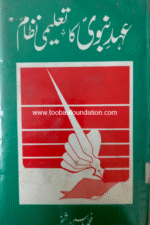
Ahad-e-Nabvi Ka Taleemi Nizam | عہد نبوی کا تعلیمی نظام محمد یاسین شیخ کی ایک اہم اسلامی و تحقیقی کتاب ہے جس میں رسول اکرم ﷺ کے دور کے تعلیمی نظام، تدریسی اصول، تربیتی طریقوں اور اسلامی معاشرے کی علمی بنیادوں کو تفصیل سے بیان کیا گیا ہے۔
یہ کتاب اسلامی تعلیم، سیرت النبی ﷺ، دینی تربیت، مدارس کے نظام اور اسلامی معاشرتی اصلاح کے موضوعات پر گہری معلومات فراہم کرتی ہے۔ مصنف نے عہد نبوی ﷺ کے تعلیمی ماحول، صحابہ کرامؓ کی علمی تربیت، مسجد نبوی کے کردار اور قرآن و سنت کی روشنی میں تعلیم کے اصولوں کو مؤثر انداز میں پیش کیا ہے۔
یہ کتاب اسلامیات، سیرت، دینی تعلیم اور اسلامی تاریخ سے دلچسپی رکھنے والے قارئین، طلبہ اور محققین کے لیے نہایت مفید ہے۔

PONDERING OVER THE QURAN BY MOAMMAD SALEEM KAYANI

Be the first to review “Shah waliullah dehlvi ki tahqeqaat e hadeez,Sahih bukhari k qalmi nuskhay ki roshani me . By : Dr Atiq u rahman.”