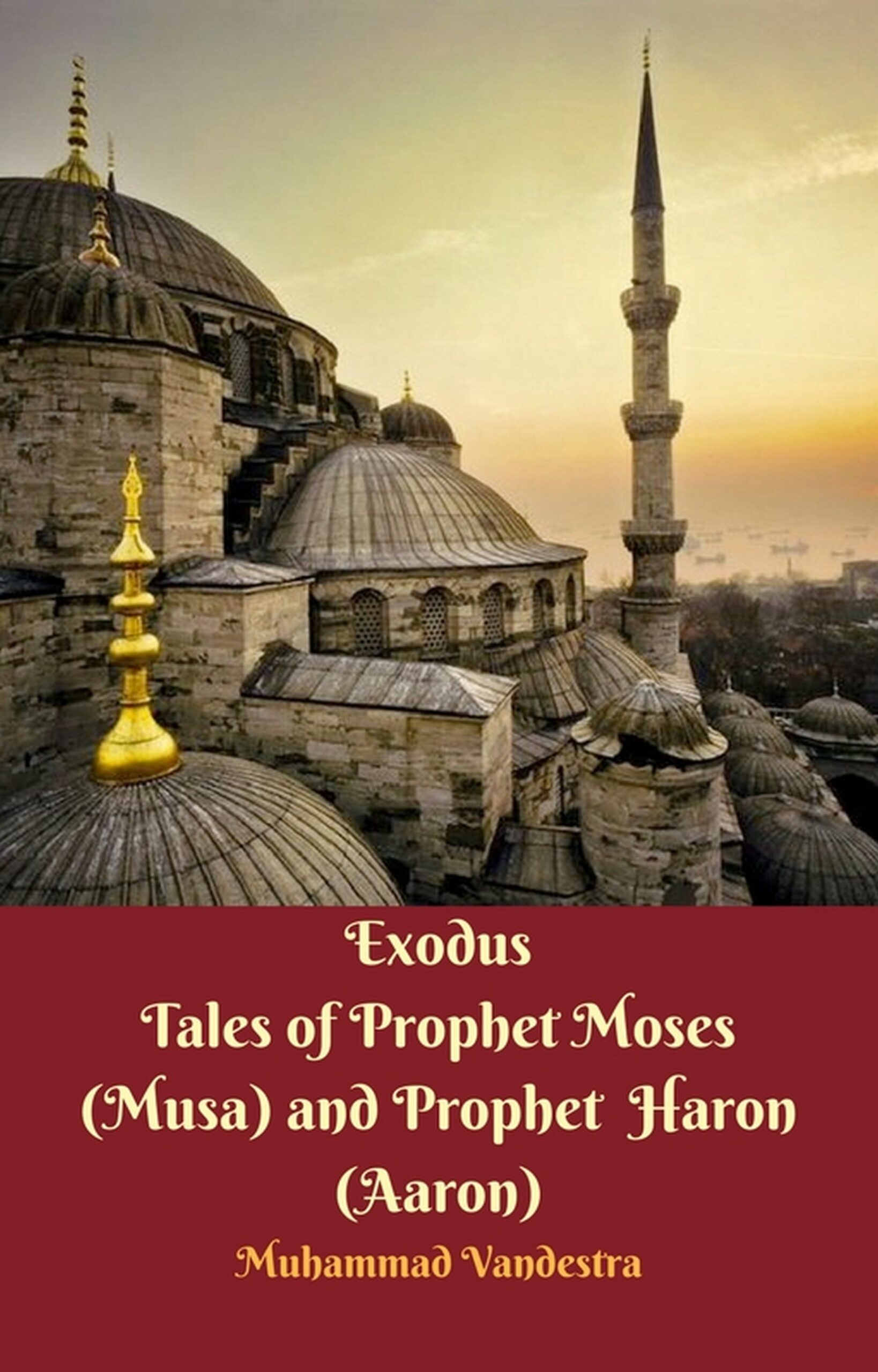
Exodus: Tales of Prophet Moses (Musa) & Prophet Haron (Aaron) presents an in-depth exploration of the lives, missions, and trials of two of Islam’s most revered prophets. Based on accounts from the Holy Qur’an, Hadith literature, and classical Islamic historical texts (such as Ibn Kathir’s Qisas al-Anbiya), this narrative chronicles the liberation of Bani Israel (the Children of Israel) from the tyrannical reign of the Pharaoh (Fir’aun).
Key Story Arc & Detailed Narrative Chapters
-
The Oppression & The Infancy of Musa (AS)
-
Pharaoh’s Decree: Fearing a prophecy that a male child from Bani Israel would cause his downfall, Pharaoh orders the slaughter of all newborn male infants.
-
The River Nile: Inspired by Allah, Musa’s mother places the newborn in a cast-iron/wooden chest and sets it afloat on the Nile.
-
Raised in the Enemy’s Palace: The chest is retrieved by the royal court. Asiya (Pharaoh’s righteous wife) protects the infant, and through Divine decree, Musa’s biological mother is brought into the palace as his wet nurse.
-
-
Exile to Madyan & Prophethood
-
The Incident in Egypt: As a young man, Musa accidentally kills an Egyptian guard while defending an oppressed Israelite. Seeking repentance and fleeing execution, he travels to Madyan.
-
Life in Madyan: Musa helps the daughters of the righteous elder (traditionally identified as Prophet Shu’ayb), marries his daughter, and serves him for ten years.
-
The Blessed Tree at Mount Toor: On his return journey to Egypt, Musa sees a fire at Mount Sinai (Toor). Allah speaks directly to him, conferring Prophethood and granting him two major signs: his staff (* عصا ) turning into a serpent and his hand shining with radiant white light ( یدِ بیضاء *).
-
-
The Joint Mission with Harun (AS) & Confronting Pharaoh
-
Harun’s Eloquence: Musa asks Allah to appoint his elder brother, Harun (Aaron), as his co-prophet and spokesperson due to his eloquence and strength.
-
Dawah to Pharaoh: Musa and Harun enter the royal court to deliver the message of Tawhid (monotheism) and demand the release of the enslaved Israelites.
-
The Sorcerers’ Duel: Pharaoh calls upon his greatest magicians. When their illusory ropes and sticks appear as snakes, Musa throws his staff, which transforms into a real giant serpent and swallows their illusions. Realizing the divine truth, the magicians fall into prostration and accept faith.
-
-
The Plagues & The Exodus
-
The Nine Signs: Pharaoh remains arrogant, prompting Allah to send calamities upon Egypt (floods, locusts, lice, frogs, and water turning to blood).
-
Parting of the Sea: Under divine guidance, Musa leads Bani Israel out of Egypt by night. Trapped between Pharaoh’s approaching army and the Red Sea, Musa strikes the sea with his staff, splitting the waters into safe dry paths.
-
Destruction of Pharaoh: Bani Israel crosses safely, while Pharaoh and his army are engulfed and drowned by the collapsing waters.
-
-
Trials in the Wilderness & Mount Sinai
-
The Forty Nights: Musa ascends Mount Toor to receive the divine revelation (Tawrat/Torah). In his absence, Harun is left to guide the people.
-
The Golden Calf (Al-Samiri): Exploiters led by Samiri fashion a golden calf, tricking the people into idol worship. Upon returning, Musa corrects the community, and Harun’s steadfast effort to maintain unity is vindicated.
-
The Wandering (Tih): Due to their reluctance to enter the promised land, Bani Israel is decreed to wander the desert of Sinai for forty years, during which Allah sustains them with Manna, Salwa, and twelve springs of water.
-






Be the first to review “Exodus: Tales of Prophet Moses (Musa) & Prophet Haron (Aaron)”