
Yazeed, Akaabir Ulama-e-Ahl-e-Sunnat Deoband ki nazar mein|یزید اکابر علماء اہل سنت دیوبند کی نظر میں
Customer Reviews
There are no reviews yet.
Related products
-
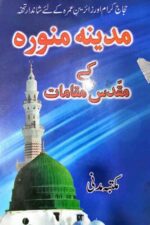
Madinah Munawwarah ke Muqaddas Muqamaat | مدینہ منورہ کے مقدس مقامات
“مدینہ منورہ کے مقدس مقامات” ابن ابی حذیفہ کی ایک معلوماتی اور مستند تصنیف ہے جس میں مدینہ منورہ کے مقدس، تاریخی اور زیارتی مقامات کا تفصیلی تعارف پیش کیا گیا ہے۔ یہ کتاب سیرتِ نبویؐ، اسلامی تاریخ اور زیارات سے دلچسپی رکھنے والے قارئین کے لیے نہایت مفید ہے۔
-
-
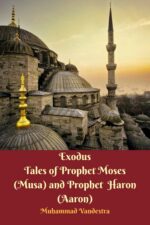
Exodus: Tales of Prophet Moses (Musa) & Prophet Haron (Aaron)
Exodus: Tales of Prophet Moses (Musa) & Prophet Haron (Aaron) presents an in-depth exploration of the lives, missions, and trials of two of Islam’s most revered prophets. Based on accounts from the Holy Qur’an, Hadith literature, and classical Islamic historical texts (such as Ibn Kathir’s Qisas al-Anbiya), this narrative chronicles the liberation of Bani Israel (the Children of Israel) from the tyrannical reign of the Pharaoh (Fir’aun).
Key Story Arc & Detailed Narrative Chapters
-
The Oppression & The Infancy of Musa (AS)
-
Pharaoh’s Decree: Fearing a prophecy that a male child from Bani Israel would cause his downfall, Pharaoh orders the slaughter of all newborn male infants.
-
The River Nile: Inspired by Allah, Musa’s mother places the newborn in a cast-iron/wooden chest and sets it afloat on the Nile.
-
Raised in the Enemy’s Palace: The chest is retrieved by the royal court. Asiya (Pharaoh’s righteous wife) protects the infant, and through Divine decree, Musa’s biological mother is brought into the palace as his wet nurse.
-
-
Exile to Madyan & Prophethood
-
The Incident in Egypt: As a young man, Musa accidentally kills an Egyptian guard while defending an oppressed Israelite. Seeking repentance and fleeing execution, he travels to Madyan.
-
Life in Madyan: Musa helps the daughters of the righteous elder (traditionally identified as Prophet Shu’ayb), marries his daughter, and serves him for ten years.
-
The Blessed Tree at Mount Toor: On his return journey to Egypt, Musa sees a fire at Mount Sinai (Toor). Allah speaks directly to him, conferring Prophethood and granting him two major signs: his staff (* عصا ) turning into a serpent and his hand shining with radiant white light ( یدِ بیضاء *)
-
-
-
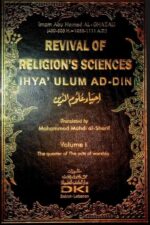
Revival of Religious Sciences (Ihya Ulum al-Din) – Volume I
Revival of Religious Sciences (Ihya Ulum al-Din) – Volume I is one of the most influential masterpieces of Islamic spirituality and ethics written by the renowned Muslim scholar Al-Ghazali. This timeless work combines Islamic theology, jurisprudence, spirituality, morality, and self-purification into a comprehensive guide for Muslims seeking both inner and outer religious reform.
Widely regarded as one of the greatest books in Islamic intellectual history, Ihya Ulum al-Din explores worship, character building, purification of the soul, social conduct, and the path toward closeness to Allah. This English translation by Mohammad Mahdi al-Sharif makes the classical teachings of Imam Al-Ghazali accessible to modern readers worldwide.
The book is essential for students of Islamic studies, Tasawwuf (Sufism), spirituality, ethics, theology, and classical Islamic literature. Its profound insights continue to inspire scholars, researchers, and readers across generations.
This digital edition is available in the Tooba Book Foundation Digital Library, offering access to a vast collection of free Islamic PDF books, rare manuscripts, and scholarly resources online
Revival of Religious Sciences (Ihya Ulum al-Din) – Volume I
Revival of Religious Sciences (Ihya Ulum al-Din) – Volume II
Revival of Religious Sciences (Ihya Ulum al-Din) – Volume III
Revival of Religious Sciences (Ihya Ulum al-Din) – Volume IV
-

Mazahib-e-‘Alam mein Sha’air-e-Muqaddasah, Fikri-Ma’anawiyat aur Ahkam
The statement “In the religions of the world, sacred rituals, spiritual thought, and religious rulings exist” suggests that across various religious traditions, there are fundamental elements that encompass the practices, beliefs, and regulations associated with faith.
The mention of “sacred rituals” implies that religious communities engage in specific ceremonies, actions, or observances that hold profound significance within their respective religious frameworks. These rituals often serve as a means of connecting with the divine, expressing devotion, or commemorating important events or figures within the religion.
“Spiritual thought” points to the intellectual and contemplative aspects of religious life. It highlights the deep reflections, philosophical inquiries, and contemplative practices that individuals within religious communities may undertake to explore the nature of spirituality, the purpose of human existence, and the relationship between the individual and the divine or transcendental.
Lastly, “religious rulings” refers to the set of guidelines, principles, or codes of conduct that govern the beliefs and practices within a religious system. These rulings may encompass ethical and moral standards, legal interpretations, guidelines for worship, and rules regarding interpersonal interactions or social behavior.
Overall, this note suggests that within the rich tapestry of religious diversity worldwide, sacred rituals, spiritual reflection, and religious regulations play integral roles in shaping and defining religious traditions, fostering a sense of community, and guiding the religious experiences and practices of believers.
-
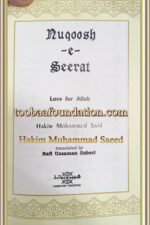
Nuqoosh-e-Seerat
“Nuqoosh-e-Seerat” is a collection of essays and articles that delve into various aspects of the Prophet’s life, character, teachings, and his impact on society. It is highly regarded for its insightful analysis, historical accuracy, and ability to convey the profound lessons and inspiration derived from the life of Prophet Muhammad (S.A.W).
The book covers a wide range of topics related to the Prophet’s life, including his birth, upbringing, interactions with his companions, battles, spiritual experiences, and his role as a leader and reformer. It is often considered a valuable resource for those seeking to deepen their understanding of the Seerah and draw lessons from the Prophet’s actions and teachings.
If you have the opportunity to read “Nuqoosh-e-Seerat” by Hakeem Muhammad Saeed, you will likely find it to be a rich source of knowledge and inspiration about the life of the Holy Prophet Muhammad (S.A.W).
Be the first to review “Yazeed, Akaabir Ulama-e-Ahl-e-Sunnat Deoband ki nazar mein|یزید اکابر علماء اہل سنت دیوبند کی نظر میں”