Love Your Life Not Theirs By RACHEL CRUZE

Love Your Life Not Theirs: 7 Money Habits for Living the Life You Want PDF
Author : Toobaa Book Foundation
Turning an idea into a book is both a challenging and deeply rewarding journey—and this book is a testament to that journey. Written with sincerity, insight, and dedication, it reflects not only the author’s creative effort but also the collective support, encouragement, and inspiration of many individuals who made this work possible.
This book invites readers into a thoughtful exploration of ideas shaped by experience, perseverance, and collaboration. Each page carries the spirit of gratitude, growth, and purpose, reminding us that no meaningful creation is ever the result of a single mind alone.
Whether you are a curious reader, a learner, or someone seeking inspiration, this book offers valuable perspectives and an engaging reading experience. It stands as a reminder that behind every book lies a story of struggle, support, and shared belief in the power of ideas.
| BOOK NAME | Love Your Life Not Theirs: 7 Money Habits for Living the Life You Want PDF |
|---|---|
| BOOK AUTHOR | |
| FORMAT | |
| LIBRARY SECTION |
Customer Reviews
There are no reviews yet.
Related products
-
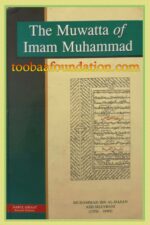
The Muwatta of Imam Muhammad (ENGLISH)
Imam Malik ibn Anas and Imam Muhammad ibn al-Hasan. This topic is of particular interest to students of hadith, as it relates to the transmission and narration of the Muwatta, a significant collection of hadith and legal rulings. Let’s break down the topic step by step:
- Imam Malik ibn Anas: Imam Malik (711-795 CE) was a prominent Islamic scholar and jurist who lived in Medina, one of the holiest cities in Islam. He is best known for compiling the “Muwatta,” which is a collection of hadith and legal rulings. Imam Malik’s deep knowledge of Islamic traditions, his reputation for integrity, and his proximity to the place where the Prophet Muhammad lived and taught gave his collection a special significance.
- The Muwatta: The “Muwatta” is a compilation of hadith and legal rulings organized by Imam Malik. It covers a wide range of topics related to Islamic law, ethics, social matters, and more. The Muwatta is highly regarded for its authenticity and is considered one of the earliest and most comprehensive collections of its kind.
- Imam Muhammad ibn al-Hasan: Imam Muhammad (also known as Muhammad al-Shaybani) was a distinguished student of Imam Abu Hanifa and a close companion of Imam Malik. He was also a scholar of Islamic jurisprudence and played a significant role in transmitting the teachings of his teachers.
- Narration of Imam Muhammad ibn al-Hasan: Imam Muhammad ibn al-Hasan narrated the Muwatta of Imam Malik. This means that he learned the hadith and legal rulings directly from Imam Malik and then transmitted them to others. Narrators like Imam Muhammad are crucial in preserving the authenticity of the hadith collection and ensuring that it is accurately transmitted from one generation to another.
In summary, the topic of “The Muwatta of Imam Malik ibn Anas in the narration of Imam Muhammad ibn al-Hasan” refers to the process of how Imam Muhammad ibn al-Hasan, a student of Imam Malik, learned and transmitted the Muwatta collection. This transmission helps maintain the accuracy and authenticity of the collection, making it a reliable source of guidance for students of hadith, scholars, and anyone seeking a deeper understanding of Islamic law and teachings.
The Muwatta of Imam Muhammad is an important and influential collection of hadith (sayings, actions, and approvals of the Prophet Muhammad) and legal rulings in Islamic jurisprudence (fiqh). It holds a significant place in Islamic scholarship and is highly regarded by scholars, jurists, and students of Islam.
Here are some key points that describe the importance of the Muwatta of Imam Muhammad:
- Authenticity: The Muwatta is considered one of the most authentic collections of hadith and legal traditions. Imam Muhammad ibn Hasan al-Shaybani, the author of the Muwatta, was a prominent disciple of Imam Abu Hanifa, one of the founders of the Hanafi school of Islamic jurisprudence. The hadith and legal rulings included in the Muwatta are meticulously selected for their authenticity, which adds to its credibility among scholars.
- Comprehensive Content: The Muwatta covers a wide range of topics, including rituals, ethics, social matters, family law, business transactions, and more. It provides a comprehensive overview of various aspects of Islamic life and jurisprudence, making it a valuable resource for understanding Islamic teachings and practices.
- Simplicity and Accessibility: One of the notable features of the Muwatta is its simplicity and straightforwardness. Imam Muhammad intentionally structured the collection in a way that makes it easy to understand and apply. This accessibility has contributed to its widespread use among scholars and students alike.
- Influence on Jurisprudence: The Muwatta played a crucial role in shaping the Hanafi school of jurisprudence and contributed to the development of Islamic legal thought in general. The hadith and legal opinions in the Muwatta served as foundational sources for deriving legal rulings and principles within the Hanafi tradition.
- Cross-Tradition Appeal: While Imam Muhammad was a follower of the Hanafi school, his Muwatta gained recognition beyond the Hanafi tradition. Scholars from other Islamic jurisprudential schools also appreciate the collection for its valuable insights into early Islamic legal and social practices.
- Historical Insight: The Muwatta provides a glimpse into the social, cultural, and legal dynamics of early Islamic society. It offers historical context for various legal rulings and practices, contributing to a better understanding of the development of Islamic law and the challenges faced by the Muslim community during that era.
- Preservation of Tradition: The Muwatta is an example of the efforts made by early Islamic scholars to preserve and transmit the teachings of the Prophet Muhammad and his companions accurately. It serves as a bridge connecting later generations with the practices and wisdom of the earliest Muslims.
In summary, the Muwatta of Imam Muhammad holds immense importance due to its authenticity, comprehensive content, influence on jurisprudence, accessibility, cross-tradition appeal, historical insights, and role in preserving Islamic tradition. It continues to be studied and referenced by scholars and students of Islam worldwide as a valuable source of guidance and knowledge.
Imam Muhammad ibn Hasan al-Shaybani, known as one of the “Two Companions,” is one of the distinguished disciples of Imam Abu Hanifa. Among his two prominent disciples, the other is Imam Abu Yusuf. Imam Muhammad’s works encompass all aspects of jurisprudence and law, and they are highly comprehensive. His significant contributions have greatly influenced later Hanafi scholars.
Within the Hanafi school of thought, Imam Muhammad al-Shaybani holds a central position. He is considered a key figure in Sunni jurisprudential tradition and a bridge between different schools of thought. Among his contemporaries, his esteemed scholars include both Imam Abu Hanifa and Imam Malik. Notably, Imam Shafi’i is also counted among his students, and Imam Ahmad ibn Hanbal, a student of Imam Shafi’i, further connects him to the third major school of thought. Thus, Imam Muhammad al-Shaybani’s teachings are intertwined with the founders of all four major jurisprudential schools, showcasing his profound influence.
-

Nuqoosh-e-Seerat
“Nuqoosh-e-Seerat” is a collection of essays and articles that delve into various aspects of the Prophet’s life, character, teachings, and his impact on society. It is highly regarded for its insightful analysis, historical accuracy, and ability to convey the profound lessons and inspiration derived from the life of Prophet Muhammad (S.A.W).
The book covers a wide range of topics related to the Prophet’s life, including his birth, upbringing, interactions with his companions, battles, spiritual experiences, and his role as a leader and reformer. It is often considered a valuable resource for those seeking to deepen their understanding of the Seerah and draw lessons from the Prophet’s actions and teachings.
If you have the opportunity to read “Nuqoosh-e-Seerat” by Hakeem Muhammad Saeed, you will likely find it to be a rich source of knowledge and inspiration about the life of the Holy Prophet Muhammad (S.A.W).
-
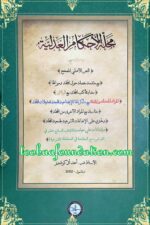
majjallah ahkam ul adaliya (arabic)new edition
مجلة الأحكام العدلية
النص الأصلي المصحح
مع مقدمة مفصلة حول المجلة وميزاتها
مضابط كتب المجلة، مع الوثائق
المواد المعدلة والملغاة مع مذكراتها الإيضاحية للجنة تعديلات المجلة
مقارنة مع المواد الأخرى من المجلة
وتحتوي على الإضافات الشرعية الجمعية المجلة وإضافات علي حيدر ( الكتاب السابع عشر في القرض، مع المقدمة في المعاملة الشرعية)
Prof . Ahmed Akgündüz / اﻷستاذ د. احمد اق كوندوز
-

SOCIAL SKILLS AND WORK EDITED BY MICHAEL ARGLE
Social Skills and Work Edited by Michael Argle
-

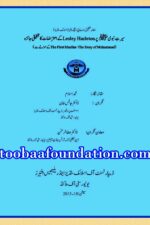
Rasool-e-Akram (S.A.W) ki askari aur siyasi zindagi mein Sulh Hudaybiyah ka kirdar, aur aaj ke dor mein iski zaroorat aur ahmiyat
رسول اکرم ﷺ کی عسکری اور سیاسی زندگی میں صلح حدیبیہ کا کردار
اور عصر حاضر میں اس کی ضرورت واہمیت, علمی تحقیقی جائزہ
تحقیقی مقالہ برائے پی ایچ ڈی (Ph.D)
ریسرچ اسکالر: محمد طیب خان
زیر نگرانی:ڈاکٹر حافظ محمد ثانی
شعبہ اسلامیات
وفاقی اردو یو نیورسٹی، اسسٹنٹ پروفیسر
شعبہ اسلامیات,عبدالحق کیمپس کراچی وفاقی اردو یونیورسٹی ، عبدالحق کیمپس کراچی
Rasool-e-Akram (S.A.W) ki askari aur siyasi zindagi mein Sulh Hudaybiyah ka kirdar, aur aaj ke dor mein iski zaroorat aur ahmiyat
(Phd. Thesis)
BY: MUHAMMAD TAYYAB KHAN
-

THE TYPES OF DIFFERENCES BETWEEN THE KING JAMES VERSION (1611) AND THE NEW INTERNATIONAL VERSION (1973-78) OF THE BIBLE
INTERPOLATION OF DIVINE REVELATION
A COMPARATIVE AND CRITICAL EXAMINATION
OF THE TYPES OF DIFFERENCES BETWEEN
THE KING JAMES VERSION (1611) AND THE NEW
INTERNATIONAL VERSION (1973-78) OF THE BIBLE
Supervised By: Dr. ISA MUHAMMAD MAISHANU
Submitted By: KHURSHEED AHMED
Special Courtesy : PROF KHURSHEED AHMED
-
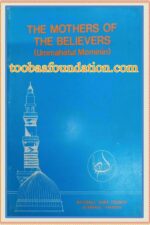
THE MOTHERS OF BELIEVERS
MOTHERS OF BELIEVERS
(UMMAHATUL MOMININ / UMMAHA TUL MOMINEEN )
BY : ZAFAR ALI QURESHI
Be the first to review “Love Your Life Not Theirs: 7 Money Habits for Living the Life You Want PDF”