-

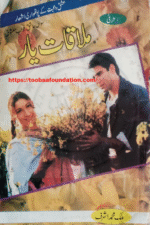
Vichhoray Sajnāñ De | وچھوڑے سجناں دے
وچھوڑے سجناں دے
Vichhoray Sajnāñ Deشاعر / Shaa’ir:
-
عبد الغنی وفا / Abdul Ghani Wafa
-
محمد الدین فانی / Muhammad Deen Fani
-
اللہ داد (وفات: مارچ 1944) / Allah Daad (Wafaat: March 1944)
-
نذیر احمد بشیر / Nazir Ahmad Basheer
-
بشیر احمد بشیر / Basheer Ahmad Basheer
-
ملک گلداد تبسم (آزاد کشمیر) / Malik Guldad Tabsum (Azad Kashmir)
-
-
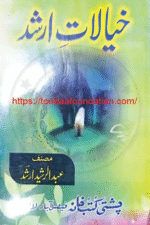
Khayalat-e-Arshad|خیالات ارشد
Na’at Poet: Abdul Rasheed ArshadRenowned Na’at poet Abdul Rasheed Arshad was born in 1948 in Faisalabad, Pakistan. His father, Malik Muhammad Ali Qadri, was a highly respected and pious man of strong moral character.Among his four sons, all of whom pursued religious education, Abdul Rasheed Arshad stood out for his poetic and spiritual inclination. After the demise of his father, he received early religious guidance from his elder brother, Malik Abdul Hameed.Abdul Rasheed Arshad formally began his poetic journey in 1967. At that time, he was residing in Jaranwala, a notable town in Punjab, where he had the opportunity to learn from respected scholars and poets. His spiritual mentor was Hazrat Maulana Muhammad Rafiq (may Allah have mercy on him), whose teachings left a deep impact on his poetry.His Na’at poetry (poetry in praise of Prophet Muhammad ﷺ) is filled with heartfelt devotion, simplicity, and profound spiritual depth. The fragrance of Masjid Nabawi, the light of Gumbad-e-Khizra, and the soul-stirring atmosphere of Madina Munawwara can be felt in his every verse.Abdul Rasheed Arshad’s poetry is not just emotional but also reflects intellectual, scholarly, and spiritual insight. His expression of love for the Prophet ﷺ touches hearts and satisfies even the minds of critical and academic readers.He writes Na’at in both Urdu and Punjabi, and his works have been published in newspapers, magazines, and presented through audio-visual media. His Na’ats are a blend of reverence, love, and traditional Sufi inspiration.
“Khayalat-e-Arshad” is a carefully selected compilation of his Na’at poetry, brimming with love for the Prophet Muhammad ﷺ.
-

Kalam-e-Monis | کلام مونس
Kalam-e-Monis | کلام مونس Poet Ustad Ghulam Mohiuddin Monis Naqshi Murattib: Dr. Professor Ismatullah Zahid
-
-

Phulwari/پھلواری
Phulwari is a heartfelt collection of Na`at poetry by the renowned poet Javed Akhtar Shamshad. Hailing from the outskirts of Gujar Khan, the author has been residing in Abu Dhabi since 1974. He developed a deep love for poetry from an early age. The study of classical literary and spiritual works such as Saif-ul-Malook by Mian Muhammad Bakhsh, Rumi’s Masnavi, Diwan-e-Hafiz, and the Kulliyat of Iqbal broadened his spiritual and poetic vision. A significant turning point in his journey came after meeting Dr. Muhammad Tahir-ul-Qadri, which rekindled his passion and transformed his poetic expression into a devoted practice of praising the Prophet ﷺ.
This collection not only features Na`at but also includes manqabat (praise of saints), reflections on Sufism, ethics, and thoughts on the Kashmir issue — making Phulwari a diverse literary bouquet. The book is being published with the support of Dar-ul-Adab Khawar Manzil, Gujar Khan.
“Phulwari” is a fragrant gift for all lovers of devotional and spiritual poetry.
-

Jalwa-e-Ishq/جلوۂ عشق
Book Introduction: Jalwa-e-Ishq (جلوۂ عشق)
Jalwa-e-Ishq (جلوۂ عشق) is a spiritually radiant tribute written in praise of the saintly and qalandari figure Hazrat Arabi Shah Qalandar (حضرت عربی شاہ قلندرؒ). The book is a sublime offering in the realm of Sufi poetry (صوفی شاعری), deeply rooted in the cultural and spiritual soil of Pothohari literature (پوٹھوہاری ادب).
At the heart of the book lies a sacred moment—four illuminating lines (چار مصرعے) originally uttered by Arabi Shah Qalandar (عربی شاہ قلندرؒ) in a spiritual state of ecstasy. These verses, like sparks of divine love, were later lovingly transformed into poetic flames by Basheer Natiq Qadri (بشیر ناطق قادری)—thus becoming the famed “Ishq Mishalan” (عشق مشالاں), or Torches of Love.
Each stanza in Jalwa-e-Ishq reflects a unique blend of zikr (ذکر اللہ), divine longing (عشقِ حقیقی), and the mystical voice of the qalandar. The book uplifts the reader through layers of emotional resonance, spiritual insight, and artistic devotion.
Literary and Spiritual Significance
The poetic praise of Arabi Shah Qalandar (عربی شاہ قلندرؒ) by Basheer Natiq Qadri (بشیر ناطق قادری) is not only a testament to his spiritual love but also a distinguished contribution to Pakistani Sufi literature (پاکستانی صوفی ادب). The phrase “Ishq Mishalan” (عشق مشالاں) was first admired and echoed by Qamar Abdullah (قمر عبداللہ), who called these lines “flaming torches of divine light.”
This book brings together a rare harmony of Pothohari culture (پوٹھوہاری ثقافت), Sufi symbolism, and folk mysticism, creating a poetic rhythm that feels both intimate and universal. It is literature for seekers—those attuned to love, remembrance, and self-effacement.
Spiritual Lineage and Inspiration
Jalwa-e-Ishq is spiritually connected with the revered saints like Sufi Muhammad Amin (صوفی محمد امینؒ), Sain Ahmad Ali Irani (سائیں احمد علی ایرانیؒ), and the ever-inspired poet-saint Daim Iqbal Daim (دائم اقبال دائمؒ). Basheer Natiq Qadri (بشیر ناطق قادری) received the light of their guidance and translated that barakah into poetic form, making this book a true embodiment of their spiritual fragrance.
Publication & Reception
The first edition of Jalwa-e-Ishq was published in 2003, and by 2016, three editions had been released due to its widespread spiritual appeal. It has found readers not only across Chakwal (چکوال) and the Pothohar region, but also among Sufi readers in the global diaspora.
The book remains a shining example of how folk devotion, literary expression, and Sufi spirituality can merge to kindle hearts.