-

1000 Ways to make money
This book is a unique collection of 1,000 ways to make money, ranging from small side hustles to serious business ideas that can generate substantial income. Compiled through months of research and real-world stories, it provides readers with a diverse range of options to explore and adapt to their unique circumstances.
Whether you want to earn extra money on weekends or build a six-figure business, this guide encourages creativity, persistence, and practical action to find the right money-making idea for you. -
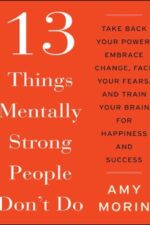
13 Things Mentally Strong People Don’t Do By Amy Morin
13 Things Mentally Strong People Don’t Do is a internationally acclaimed self-improvement book written by psychotherapist and licensed clinical social worker Amy Morin. Expanding on a viral blog post she wrote following personal grief, Morin presents a practical framework for building mental toughness by focusing on what to avoid rather than just what to do.
The book emphasizes that developing mental strength requires a three-pronged approach: managing thoughts, controlling emotions, and taking productive actions.
-

Bussiness is Money PDF
Business is Money is a comprehensive guide for entrepreneurs and anyone interested in financial growth. It covers:
-
Developing a strong money mindset
-
Strategic financial decision-making
-
Risk management and investments
-
Building sustainable income streams
This book is ideal for readers who want to improve their financial and business decisions and achieve long-term success.
-
-
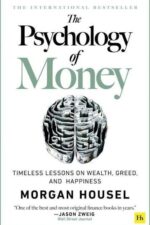
The Psychology of Money Summary & Lessons | Morgan Housel
Morgan Housel’s modern classic, The Psychology of Money, revolutionizes how we think about personal finance by arguing that financial success is rarely a hard math problem. Instead, it is a soft skill driven entirely by behavior, emotional discipline, and worldview.
Traditional finance teaches that spreadsheets, market analysis, and high intelligence dictate economic outcomes. However, Housel demonstrates that people do not make financial choices in clinical, rational laboratory settings. Rather, they make choices at the dinner table or in corporate boardrooms, influenced heavily by personal history, unique worldviews, ego, pride, and distinct generational experiences.