-

Ghobar-e-Khatir | غبار خاطر
Ghobar-e-Khatir by Abul Kalam Azad is one of the most celebrated works of Urdu literature. Written during his imprisonment at Ahmednagar Fort (1942–1945), this masterpiece is a collection of reflective letters addressed to Maulana Habibur Rahman Khan Sherwani. Unlike ordinary correspondence, Ghobar-e-Khatir presents Abul Kalam Azad’s thoughts on Islam, philosophy, science, music, literature, spirituality, and Indian history.
This timeless classic showcases the intellectual depth and literary brilliance of Maulana Abul Kalam Azad, a leading freedom fighter, Islamic scholar, and visionary thinker of modern India. For readers of Urdu books, Islamic philosophy, and Indian literature, Ghobar-e-Khatir remains an essential and inspiring read. -
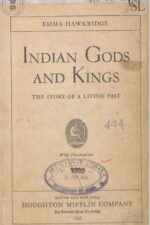
Indian Gods And Kings
This book is designed for the intelligent yet uninformed reader who wishes to begin understanding India. It seeks to bring together, in a simple and compact form, material drawn from scholarly studies of different periods and phases of Indian history and culture. The selection is personal, serving as an answer to the author’s own questions and as a starting point for the reader.
The book suggests how the past remains alive in the present of India, offering a basis for comprehending today’s reality. It ties together details—whether living customs, surviving architecture, or works of art—with the causal stories behind them. These stories are woven through the thread of time for the armchair reader, while for the traveler in India, they are indexed by place to help interpret temples, palaces, and monuments in their context.
India cannot be contained within the covers of a single volume, but this book offers glimpses of its beauty and drama. It does not attempt to analyze modern social or political problems directly, but instead highlights the historical roots and intricate background from which they emerge.
-
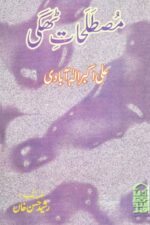
Mustalahat-e-Thaggi | مُصطلحاتِ ٹھگی
مُصطلحاتِ ٹھگی اردو کے نامور محقق، نقاد، ماہرِ لسانیات اور مدوّن رشید حسن خان کی ایک منفرد تحقیقی و لغوی تصنیف ہے۔ اس کتاب میں برصغیر کے تاریخی گروہ “ٹھگ” (Thuggee) سے متعلق الفاظ، اصطلاحات، محاورات اور مخصوص زبان کا تحقیقی جائزہ پیش کیا گیا ہے۔ مصنف نے نایاب تاریخی ماخذ، سرکاری ریکارڈ اور لسانی مواد کی مدد سے ان اصطلاحات کو مرتب اور تشریح کے ساتھ پیش کیا ہے۔
یہ کتاب صرف ایک لغت نہیں بلکہ برصغیر کی سماجی، ثقافتی اور لسانی تاریخ کا ایک اہم دستاویز بھی ہے۔ اس میں ٹھگوں کی خفیہ زبان، طرزِ گفتگو، پیشہ ورانہ اصطلاحات اور ان کے معاشرتی پس منظر کو واضح کیا گیا ہے، جس سے قاری کو ہندوستانی سماج کے ایک کم معروف تاریخی پہلو کو سمجھنے میں مدد ملتی ہے۔
مُصطلحاتِ ٹھگی لسانیات، لغت نویسی، سماجی تاریخ، ثقافتی مطالعات اور برصغیر کی تاریخ سے دلچسپی رکھنے والے طلبہ، محققین اور قارئین کے لیے ایک اہم حوالہ جاتی کتاب ہے۔
زیر نظر کتاب مصطلحات ٹھگی غیر معمولی اہمیت کی حامل ہے۔ٹھگی قتل و لوٹ مار کا ایک ایسا منظم طریقہ تھا جو تقریبا دوسو سال تک ہندوستان میں رائج رہا۔ ٹھگی محض ایک لوٹ مار اور قتل و غارت نہیں تھی بلکہ اس نے ایک خاص مذہبی فرقے کی صورت اختیار کرلی تھی۔ اس کی پابندی باقاعدہ اصول و ضوابط تھے۔اس مسلک کے پیروکاروں کے ایسے عقائد تھے جن کی پابندی ہر ٹھگ کے لیے لازمی تھی۔ رشید حسن خاں کتاب کے مقدمے میں بہت ہی عالمانہ انداز میں ٹھگوں کے عقائد، ان کے طریقہ کار اور ان کے حالات وغیرہ ایسی معلومات فراہم کی ہیں جن سے عام لوگ ناواقف تھے