-
-

Jalwa-e-Ishq/جلوۂ عشق
Book Introduction: Jalwa-e-Ishq (جلوۂ عشق)
Jalwa-e-Ishq (جلوۂ عشق) is a spiritually radiant tribute written in praise of the saintly and qalandari figure Hazrat Arabi Shah Qalandar (حضرت عربی شاہ قلندرؒ). The book is a sublime offering in the realm of Sufi poetry (صوفی شاعری), deeply rooted in the cultural and spiritual soil of Pothohari literature (پوٹھوہاری ادب).
At the heart of the book lies a sacred moment—four illuminating lines (چار مصرعے) originally uttered by Arabi Shah Qalandar (عربی شاہ قلندرؒ) in a spiritual state of ecstasy. These verses, like sparks of divine love, were later lovingly transformed into poetic flames by Basheer Natiq Qadri (بشیر ناطق قادری)—thus becoming the famed “Ishq Mishalan” (عشق مشالاں), or Torches of Love.
Each stanza in Jalwa-e-Ishq reflects a unique blend of zikr (ذکر اللہ), divine longing (عشقِ حقیقی), and the mystical voice of the qalandar. The book uplifts the reader through layers of emotional resonance, spiritual insight, and artistic devotion.
Literary and Spiritual Significance
The poetic praise of Arabi Shah Qalandar (عربی شاہ قلندرؒ) by Basheer Natiq Qadri (بشیر ناطق قادری) is not only a testament to his spiritual love but also a distinguished contribution to Pakistani Sufi literature (پاکستانی صوفی ادب). The phrase “Ishq Mishalan” (عشق مشالاں) was first admired and echoed by Qamar Abdullah (قمر عبداللہ), who called these lines “flaming torches of divine light.”
This book brings together a rare harmony of Pothohari culture (پوٹھوہاری ثقافت), Sufi symbolism, and folk mysticism, creating a poetic rhythm that feels both intimate and universal. It is literature for seekers—those attuned to love, remembrance, and self-effacement.
Spiritual Lineage and Inspiration
Jalwa-e-Ishq is spiritually connected with the revered saints like Sufi Muhammad Amin (صوفی محمد امینؒ), Sain Ahmad Ali Irani (سائیں احمد علی ایرانیؒ), and the ever-inspired poet-saint Daim Iqbal Daim (دائم اقبال دائمؒ). Basheer Natiq Qadri (بشیر ناطق قادری) received the light of their guidance and translated that barakah into poetic form, making this book a true embodiment of their spiritual fragrance.
Publication & Reception
The first edition of Jalwa-e-Ishq was published in 2003, and by 2016, three editions had been released due to its widespread spiritual appeal. It has found readers not only across Chakwal (چکوال) and the Pothohar region, but also among Sufi readers in the global diaspora.
The book remains a shining example of how folk devotion, literary expression, and Sufi spirituality can merge to kindle hearts.
-
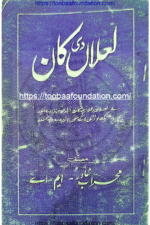
la’alan de Kan/لعلاں دی کان
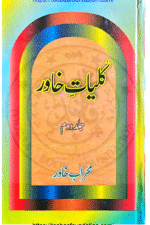
Mehrab Khawar (محراب خاور) is a distinguished poet whose poetry (شاعری) holds a prominent place in literature (ادب). I have been acquainted with his remarkable personality for the past ten years. It is said that a verse (شعر) is a reflection of a poet’s true self.
The philosophy (فلسفہ) and mysticism (تصوف) in Mehrab Khawar’s (محراب خاور) poetry contain unique symbols and deep meanings that set him apart from all other poets (except for great poets like Allama Iqbal (علامہ اقبال)). For instance, when Mehrab Khawar (محراب خاور) wrote about “Adam” (آدم), he depicted dust/clay (خاک) in such a way that every reader could vividly experience their own greatness (عظمت), rise and fall (بلندی و پستی), and the mysteries of creation (تخلیق), as if these were living images before them.Mehrab Khawar (محراب خاور) presents Adam from every era in the form of the eternal Adam (ازلی آدم). His spiritual poetry (روحانی شاعری) is reminiscent of how Allama Iqbal (علامہ اقبال) infused the essence of Rumi (رومی) into his work. His book “Lalaan Di Kaan” (لعلاں دی کان) is a literary masterpiece (ادبی شاہکار) that, when read with an open heart and mind, reveals that the poet has transcended his own existence into another spiritual (روحانی) form.He crafts pearls of wisdom (حکمت) from dark soil and presents them to the seekers of spiritual wisdom (عرفان). My prayer is that Allah Almighty (اللہ تعالیٰ), for the sake of Prophet Muhammad PBUH (سرکارِ دو عالم صلی اللہ علیہ وآلہ وسلم), elevates his thought-provoking verses (فکر انگیز کلام) and makes them a source of Sufism and Gnosis (تصوف و معرفت) for true seekers. Ameen (آمین).
Qazi Zia-ul-Haq Qazi (قاضی ضیاء الحق قاضی)
(Changa Mera (چنگا میرا), Gujar Khan (گوجر خان))
-
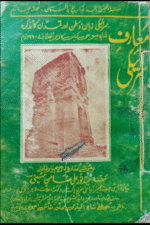
Muarif E Saraiki By Syed Noor Ali Zamin Hussaini
This book is the work of Syed Noor Ali Zamin Hussain who lived and then served as irrigation engineers for many years in Bahawalpur and different parts of erstwhile West Pakistan.
-
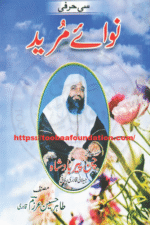
Nawa-e-Mureed | نوائے مرید
“Nawa-e-Mureed” is a unique Se-Harfi (alphabet-based) poetry collection by renowned Pothohari poet Tahir Hussain Arzam.
Each stanza consists of four lines, creatively composed for every letter of the Urdu alphabet — blending poetic beauty with spiritual reflection.The poet pays heartfelt tribute to his spiritual guide, Hazrat Chan Peer Shah Gilani Qadri Razzaqi (RA), and presents themes of divine love, remembrance of death, and Sufi wisdom in rich Pothohari expression.
This soulful collection is now available for free download at Toobaa Foundation:
-
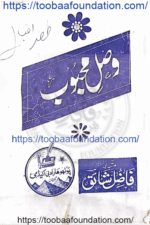
Vasl-e-Mahboob/وصلِ محبوب
- وصل محبوب میں درج ذیل شعراء کا کلام شامل ہے
فاضل شائق
ارشد ناز
فیاض اعجاز
نذیر بشیر
مختار انجم
الفاروق عادل
جاوید عدنان
نصیر طارق
تجمل ندیم
فاروق محمود
سلطان سہیل
بشارت جذبی
- وصل محبوب میں درج ذیل شعراء کا کلام شامل ہے