-

kalam E Sardar /کلام سردار
Kalam-e-Sardar – A Unique Collection of Naatiya Poetry
Kalam-e-Sardar is a rare and exceptional collection of Naatiya Shayari (praise poetry for the Prophet ﷺ), compiled from the works of Sardar Hussain Sardar Chishti (رحمۃ اللہ علیہ). He was a renowned Naatiya poet whose verses have been recited with great devotion in Mehfil-e-Milad and other spiritual gatherings. His Punjabi Naat and Urdu Naat are filled with Ishq-e-Rasool ﷺ, touching the hearts of listeners and deepening their love for the Prophet ﷺ.
This collection is a beautifully curated work by Muhammad Tauseef Haider, with the first edition published in April 2012 under the supervision of Muhammad Shafiq Mujahid Chishti. The compilation was made possible with the special support of Sardar Hussain Sardar Chishti’s family, including his son Sahibzada Muhammad Latif Sajid Chishti. The primary goal of this book is to make this rare and valuable poetry accessible to the general public.
This book is more than just a collection of poetry; it is a treasure of Ishq-e-Rasool ﷺ, inspiring readers with Tasawwuf (Sufism) and Naatiya poetry. Like the well-known collections “Kalam-e-Saim” and “Kalam-e-Hakim”, this book holds a special place in Punjabi Islamic poetry and Sufi Kalam. If you have a passion for Islamic poetry, this book is a priceless gift for you.
📥 Free Download
Good news! “Kalam-e-Sardar” can be downloaded completely free from Tooba Book Foundation (Tooba Foundation) through the following website:
This Naatiya Shayari collection will offer you a spiritual experience and deepen your love for the Prophet ﷺ.
-

Kalam Mukhtar Hussain Anjum/کلام مختار حسین انجم
 یہ کتاب استاد الشعراء جناب فاضل شائق صاحب نے 1993 میں آرزوئے محبت کے نام سے شائع کی تھی اس کتاب میں سے انجم صاحب کا کلام الگ سے پیش کیا کیا جا رہا ہے ۔
 -

Kalam Sain Ishqi/کلام سائیں عشقی
📖 Kalam Sain Ishqi (کلام سائیں عشقی)
✍️ Poet: Sain Ishqi (سائیں عشقی)Sain Ishqi (سائیں عشقی) was a renowned Punjabi Sufi poet whose poetry revolves around Tawheed, Risalat, Ishq-e-Haqiqi, and Tasawwuf. His work reflects deep spiritual truths, divine love, and the essence of mysticism.
🕌 Spiritual Background of Sain Ishqi
Sain Ishqi (سائیں عشقی) belonged to Baba Ilm Din Faqr (بابا علم دین فقر), Chak 81 Pandori J.B (چک 81 پنڈوڑی ج ب), Faisalabad (فیصل آباد). His poetry is filled with dervish wisdom and divine love, portraying the journey of the soul toward the ultimate truth.
🌿 Core Themes of Kalam
📌 Tawheed (توحید) – The oneness and power of Allah
📌 Risalat (رسالت) – The greatness and love of Prophet Muhammad ﷺ
📌 Tasawwuf (تصوف) – Spiritual path, divine wisdom, and mysticism
📌 Ishq-e-Haqiqi (عشقِ حقیقی) – Pure love for Allah and His Prophet ﷺ
📌 Dunya Ki Be-Sabaati (دنیا کی بے ثباتی) – The transient nature of worldly life📜 Selected Verses (Extracted from PDF)
🔹 Ishq Allah di Zaat Sain Ishqi (عشق اللہ دی ذات سائیں عشقی)
🔹 Muhabbatan De Rang Wich Range Jande Ne Aashiq (محبتاں دے رنگ وچ رنگے جاندے نیں عاشق)
🔹 Je Ishq Nahi Te Rab Nahi Labhna (جے عشق نئیں تے رب نئیں لبھنا)(More verses can be found in the book, reflecting deep Sufi wisdom and spiritual insights.)
📌Punjabi Poetry & Sufi Literature
📖 Punjabi Shayari (پنجابی شاعری), Sufi Shayari (صوفی شاعری), Ishq-e-Haqiqi (عشقِ حقیقی), Tawheed (توحید), Tasawwuf (تصوف), Allah Da Ishq (اللہ دا عشق), Wali Allah (ولی اللہ), Dervishi (درویشی), Wahdat-ul-Wujood (وحدت الوجود), Maarfat (معرفت), Punjabi Adab (پنجابی ادب), Lok Shayari (لوک شاعری), Auliya Karam (اولیاء کرام), Ruhani Shayari (روحانی شاعری), Allah Hoo (اللہ ہو), Punjabi Sachaiyan (پنجابی سچائیاں), Haqiqat Da Safar (حقیقت دا سفر), Baba Faqr (بابا فقر), Ishq-e-Ilahi (عشق الٰہی), Ruhani Kalam (روحانی کلام), Punjabi Sufi Riwayat (پنجابی صوفی روایات)
📥 Book Availability
This book is provided by Tooba Book Foundation (طوبیٰ بک فاؤنڈیشن) and can be downloaded for free.
-
kalam Shaiq/کلامِ شائق شاعر فاضل شائق
آرزوئے محبت وچ روہڑ دتے جو ہر عمر دے سارے خیرات کر کے
صلہ چاہت دا ملیا نہ مول مینوں ایسے رہیا مقدراں مات کر کے
پیشمان نہ ہو یا میں عمر ساری نے بھانویں ابتر کتنے حالات کر کے
اکو گل آخیر ہے شائق کھا گئی سجن رولیا مینوں دن رات کر کےآرزوئے محبت رہی کو ل میرے باقی ککھ نہ رہیا حیات اندر
عروچ اڈیکاں گزار چھوڑی لمحے فرقت دے رہے برات اندر
حاص ککھ نہ ہو یا آخیر اُتے خبرے رازسی کہڑا اس بات اندر
کنڈے ہر سو شائق کھیلار دتے آپو اپنی اس کائنات اندر -
Kanṛiyan Noor Diyan/کنڑیاں نور دیاں
Junaid Ghani Raja is a young poet, writer, and host known for his work in Urdu and Pothwari languages. He was born on March 23, 1983, in the village of Kanyal Bajrana, Tehsil Gujar Khan, Punjab, Pakistan. Alongside his literary pursuits, he is currently serving in the Punjab Police.
He is the founder and chairman of the literary organization Halqa-e-Yaraan-e-Adab, Daultala, and is well-regarded for his deep love and expression of devotion toward the Prophet’s family (Ahl-e-Bait) and the Companions of the Prophet (Sahaba) in his poetry.His first published book in the Pothwari language, titled “Pakka Rang Faqeeri Aala”, includes Naats, Manqabats, Kafis, and poetry in Saif-ul-Malook style. His work has earned recognition for promoting regional language and culture with a spiritual and literary touch.
-
Kulyat Bashir/کلیات بشیر
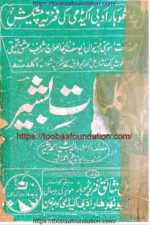
Kulyat Bashir / کلیات بشیر
“Kulyat Bashir” is a collection of the Punjabi and Pothohari poetry of Raja Bashir Ahmed, published by the Pothohar Adabi Academy (“پوٹھوہار ادبی اکیڈمی”). The book was published under the patronage of the Chairman of the Pothohar Adabi Academy (“پوٹھوہار ادبی اکیڈمی”) Ustaad Shua’ra Fazi’l Shaik (“استاد الشعراء فاضل شائق”) in June 1993. The cover design of the book was prepared by Yunus Kamal Noshi (“یونس کمال نوشاہی”) from Kallar Syedan, while the calligraphy was done by Chaudhry Tayyab Hussain Barsalvi (“چوہدری طیب حسین برسالوی”). The book was published at the request of Raja Asghar Zaman Kiani (“راجہ اصغر زمان کیانی”).Raja Nazir Ahmed Bashir was born in 1933 in the village of Dhoke Badhal (“گاؤں ڈھوک بدہال”). He began writing poetry in Punjabi and Pothohari at the age of 25, focusing on subjects like “Ahmad and Naat” (“احمد و نعت”), the “waqea Miraj al-Nabi ﷺ” (“واقعہ معراج النبی ﷺ”), the “شہدائے کربلا” (“Shaheedaye Karbala”), “Showni Mainwal” (“شوہنی مینوال”), and “true love” (“عشق حقیقی”). He passed away at the age of 38 due to a road accident after being under medical care for a month. During his life, he had planned to publish a book titled “Barg o Sammar” (“برگ وثمر”) (Leaves and Fruits). In his memory, his brother, Raja Nazir Ahmed Bashir, compiled his works and had them published by the academy.
-
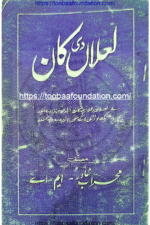
la’alan de Kan/لعلاں دی کان
Mehrab Khawar (محراب خاور) is a distinguished poet whose poetry (شاعری) holds a prominent place in literature (ادب). I have been acquainted with his remarkable personality for the past ten years. It is said that a verse (شعر) is a reflection of a poet’s true self.
The philosophy (فلسفہ) and mysticism (تصوف) in Mehrab Khawar’s (محراب خاور) poetry contain unique symbols and deep meanings that set him apart from all other poets (except for great poets like Allama Iqbal (علامہ اقبال)). For instance, when Mehrab Khawar (محراب خاور) wrote about “Adam” (آدم), he depicted dust/clay (خاک) in such a way that every reader could vividly experience their own greatness (عظمت), rise and fall (بلندی و پستی), and the mysteries of creation (تخلیق), as if these were living images before them.Mehrab Khawar (محراب خاور) presents Adam from every era in the form of the eternal Adam (ازلی آدم). His spiritual poetry (روحانی شاعری) is reminiscent of how Allama Iqbal (علامہ اقبال) infused the essence of Rumi (رومی) into his work. His book “Lalaan Di Kaan” (لعلاں دی کان) is a literary masterpiece (ادبی شاہکار) that, when read with an open heart and mind, reveals that the poet has transcended his own existence into another spiritual (روحانی) form.He crafts pearls of wisdom (حکمت) from dark soil and presents them to the seekers of spiritual wisdom (عرفان). My prayer is that Allah Almighty (اللہ تعالیٰ), for the sake of Prophet Muhammad PBUH (سرکارِ دو عالم صلی اللہ علیہ وآلہ وسلم), elevates his thought-provoking verses (فکر انگیز کلام) and makes them a source of Sufism and Gnosis (تصوف و معرفت) for true seekers. Ameen (آمین).
Qazi Zia-ul-Haq Qazi (قاضی ضیاء الحق قاضی)
(Changa Mera (چنگا میرا), Gujar Khan (گوجر خان))
-

Madah Ghous Pak/مدح غوث پاک
This book, “Madh-e-Ghous Pak”, is a collection of rare Punjabi and Urdu poetry in praise of Hazrat Sheikh Abdul Qadir Jilani (حضرت شیخ عبد القادر جیلانیؒ). It includes the heartfelt poetry of Imam Bibi (امام بی بی) from Mouza Kanyal, Punjab (موضع کنیال، پنجاب), along with verses by Afzal (افضل) and Nadir (نادر). This naat and manqabat poetry beautifully highlights the greatness, miracles, and spiritual status of Ghous-ul-Azam (غوث الاعظمؒ).
This book represents the traditional Sufi poetry of Punjab (پنجاب کی روایتی صوفیانہ شاعری) and serves as a valuable gift for the devotees of Ghous Pak (غوث پاکؒ). The poetry in this collection is a fine example of Punjabi literature (پنجابی ادب) and spiritual poetry (روحانی شاعری).
-
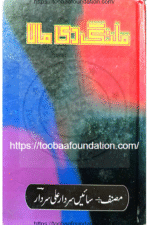
Malang Di Mala/ملنگ دی مالا
Sain Sardar Ali Sardar – Punjabi Sufi Poet
Sain Sardar Ali Sardar was a renowned Punjabi poet, belonging to the Bajwa family. He was born in 1922 in the village of Kakka Kolo, Wazirabad Tehsil, Gujranwala. His poetry is deeply rooted in Sufi thoughts, Malangi spirit, and spiritual themes. He holds a unique place in Punjabi literature and folk poetry.Sain Sardar Ali Sardar published four collections of poetry, reflecting his deep spiritual insight and devotion to the divine:- Zikr-e-Khair (ذکر خیر) – Punjabi Poetry
- Dhakhuda Dhuwan (دھخدا دھواں) – Poetry
- Malang Di Mala (ملنگ دی مالا) – Verses
- Malang Di Godri (ملنگ دی گودڑی) – Punjabi Kalam
His poetry remains immensely popular, especially among those who appreciate Sufi philosophy and Malangi themes. His words in Punjabi poetry continue to enlighten the hearts of seekers of divine love and truth. He is also known as the Kakka Kolo Poet and holds a significant place as a Wazirabad Punjabi Poet.
-
-
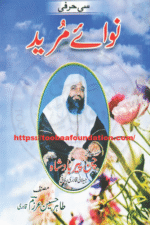
Nawa-e-Mureed | نوائے مرید
“Nawa-e-Mureed” is a unique Se-Harfi (alphabet-based) poetry collection by renowned Pothohari poet Tahir Hussain Arzam.
Each stanza consists of four lines, creatively composed for every letter of the Urdu alphabet — blending poetic beauty with spiritual reflection.The poet pays heartfelt tribute to his spiritual guide, Hazrat Chan Peer Shah Gilani Qadri Razzaqi (RA), and presents themes of divine love, remembrance of death, and Sufi wisdom in rich Pothohari expression.
This soulful collection is now available for free download at Toobaa Foundation: