-

Dard-e-Dil/درد دل
Dard-e-Dil
Book Title: Dard-e-Dil
Author: Qazi Abdul Rasheed Dard
Language: Punjabi (Pothohari)
Publisher: Dar-ul-Adab, Khawar Manzil, Hayat Sar Road, Gujar Khan
About the Author
Qazi Abdul Rasheed Dard is a distinguished poet of Punjabi literature, especially Pothohari poetry. He belongs to a family with a rich scholarly and literary heritage, known for its contributions to knowledge, Naat recitation, and poetry across generations. His uncle, Qazi Abdul Wahid Sahib, was a renowned scholar and Naat reciter who made significant contributions to Punjabi and Pothohari literature.
Qazi Abdul Rasheed Dard is deeply inspired by Allama Iqbal’s poetry and philosophy. His work reflects Iqbal’s influence in themes of self-realization, divine love, spiritual awakening, and Islamic thought. His poetry embodies the fusion of classical and modern literary traditions, making it a valuable addition for readers interested in Punjabi books and literary collections.
Theme and Literary Significance of the Book
“Dard-e-Dil” is a poetic expression of the author’s thoughts, emotions, and intellectual perspectives. This book is a valuable contribution to Pothohari poetry and Punjabi literature, highlighting the author’s spiritual devotion, intellectual depth, and admiration for Iqbal’s philosophy. It includes poetry in various genres, such as Naat (praise of the Prophet), Hamd (praise of God), Manqabat (tributes to saints), Ghazal, and Nazm (poetic compositions), making it an essential read for those interested in Punjabi books online.
The poetry of Qazi Abdul Rasheed Dard is influenced not only by his mentor, Haji Mehrab Khawar Sahib, but also by Allama Iqbal. His work reflects Iqbal’s concept of selfhood (Khudi), depth of divine love, and spiritual values. If you are looking for Punjabi books free to download, this book is a must-read.
Key Features of the Book
✅ Poetry inspired by Allama Iqbal’s philosophy
✅ Themes of divine love, faith, and Sufism
✅ A beautiful blend of Naat, Hamd, Manqabat, Ghazal, and Nazm
✅ A remarkable example of Pothohari Punjabi poetry
✅ Simple yet profound poetry that touches the reader’s heart
✅ A unique fusion of modern and classical poetry
Conclusion
“Dard-e-Dil” is a unique literary masterpiece that combines Punjabi Naat poetry, Sufism, Iqbalian thought, and divine love. If you are interested in Punjabi poetry books or Pothohari literature, this book is a valuable addition to your collection. It is not only a treasured contribution to Pothohari poetry but also a source of spiritual enlightenment.
Download Free PDF
This book is available for free PDF download on the Tooba Book Foundation website. You can get it from the link below:
Prayers & Regards:
Mehrab Khawar
(M.A. Urdu, Persian, Punjabi)
Dar-ul-Adab, Khawar Manzil, Hayat Sar Road, Gujar Khan
Now the text has been translated into English while keeping the essence intact. Let me know if you need any modifications! 😊📖
-

Diwan-e-Safdar | دیوانِ صفدر
“دیوانِ صفدر” پیر سید صفدر حسین شاہ قادری جلوی ہزاروی کا صوفیانہ اور روحانی کلام پر مشتمل مجموعہ ہے جس میں عشقِ الٰہی، معرفت، تصوف، نعت اور منقبت جیسے موضوعات نہایت سادہ مگر پراثر اسلوب میں بیان کیے گئے ہیں۔ یہ کتاب صوفی ادب اور روحانی شاعری سے شغف رکھنے والوں کے لیے نہایت قیمتی اثاثہ ہے۔
-

Donghe Phatt/ڈونگھے پھٹ
Introduction to the Book “Donghe Phatt” (ڈونگھے پھٹ)
The book “Donghe Phatt” (ڈونگھے پھٹ) is a remarkable literary work written by Muhammad Aslam Talib Chishti (محمد اسلم طالب چشتی), who is the grandson of the renowned poet Daim Iqbal Daim (دائم اقبال دائم). This book reflects deep poetic expression, rich linguistic style, and a spiritual connection to the love of the Prophet Muhammad (PBUH).
The book has been published by Daim Iqbal Academy (Registered), Pakistan (دائم اقبال اکیڈمی (رجسٹرڈ)، پاکستان), located in Mandi Bahauddin (منڈی بہاؤالدین). The literary essence of this work carries the influence of classical and contemporary poetry, making it a unique contribution to Urdu literature.
Author’s Background
Muhammad Aslam Talib Chishti (محمد اسلم طالب چشتی) started his poetic journey in 1975, primarily focusing on the praise of Allah Almighty and the Prophet Muhammad (PBUH). His poetry reflects devotion, love, and respect for the holy figures of Islam. He also holds a deep admiration for the Ahl al-Bayt (اہل بیت).
This book has been highly appreciated by Pir Syed Khizr Hussain Chishti (پیر سید خضر حسین چشتی), a well-respected spiritual figure. His foreword highlights the depth of expression and literary excellence found in the poetry of Muhammad Aslam Talib Chishti (محمد اسلم طالب چشتی).
Key Features of the Book
- A Unique Poetic Collection (Ek Muntakhib Shayari Ka Majmua – ایک منتخب شاعری کا مجموعہ)
- Deep Spiritual and Mystical Themes (Rohaniyat Aur Tasawwuf Ka Gehra Rang – روحانیت اور تصوف کا گہرا رنگ)
- Traditional Urdu Poetry with Modern Influence (Riwayati Urdu Shayari Jo Jadeed Asraat Se Muzayyan Hai – روایتی اردو شاعری جو جدید اثرات سے مزین ہے)
- A Tribute to Daim Iqbal Daim (Daim Iqbal Daim Ki Adbi Riwayat Ka Aks – دائم اقبال دائم کی ادبی روایت کا عکس)
- Endorsed by Esteemed Scholars (Mumtaaz Ulama Aur Mashaikh Ki Tauseeq Shuda – ممتاز علما اور مشائخ کی توثیق شدہ)
- Available at Tooba Book Foundation (Tooba Book Foundation Par Dastiyab – طوبیٰ بک فاؤنڈیشن پر دستیاب)
This book is a must-read for poetry lovers, especially those who appreciate traditional Urdu literature with a touch of spiritual depth and love for the Prophet Muhammad (PBUH). It is now available Toobaa Book Foundation (طوبیٰ بک فاؤنڈیشن).
-
-
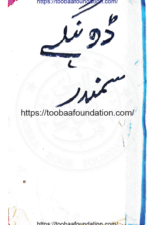
Doohangay Samandar/ڈوہنگے سمندر
“Doongay Samandar” (ڈوہنگے سمندر) is not merely a collection of poetry; it is a spiritual echo rising from the depths of the Pothohar plateau. This debut anthology by Zahoor Akhtar is a vibrant expression of the Pothohari language—a dialect rich in cultural depth, folk resonance, and mystical undertones.
The collection includes baits, dohay, and dobetis, along with rare poetic forms such as jagti, sami, mandri, kreeki phela, and adik, which are deeply rooted in local folk tradition. These verses do not merely entertain—they awaken. Their heartbeat is the timeless love for Allah and His Messenger (peace be upon him). In their cadence, one hears the spiritual tremor reminiscent of Hazrat Mian Muhammad Bakhsh and Hazrat Pir Muhammad Shah—a sacred echo of the saints of the soil.
Zahoor Akhtar’s poetry emerges from a distinguished heritage. His forefather, Sultan Muqarab Khan, was a brave and perceptive ruler of the Pothohar region. He led Ahmad Shah Abdali’s cavalry at the Third Battle of Panipat and later embraced martyrdom in the Battle of Gujarat against Sikh forces. Two centuries later, his descendant, Major Masood Akhtar—the youngest son of Raja Hasan Akhtar—was martyred in the 1965 Indo-Pak War during the historic Battle of Chawinda, at just 28 years of age.
Raja Hasan Akhtar, Zahoor Akhtar’s father, who passed away in October 1973, was one of Pakistan’s most esteemed scholars. He was among those rare souls whom Allama Muhammad Iqbal considered a close friend and confidant. His contribution to the propagation of Iqbal’s philosophy and the ideological foundation of Pakistan is permanently etched into our national history.
Among his sons, the formal poetic mantle was inherited by Mahmood Akhtar Kayani, Zahoor Akhtar’s brother, an eloquent Urdu poet who passed away prematurely in July 1975 during the prime of his life.
Zahoor Akhtar was raised in a spiritually enriched and intellectually luminous environment. His name was personally suggested by Allama Iqbal himself—a sacred honor that reflects the depth of spiritual expectations associated with his being. Nurtured in the enlightened company of a scholar-father and in the rugged, valorous landscapes of Kahuta, Zahoor Akhtar’s voice rises from the mountains, carrying with it the Hijazi tone of sincerity, longing, and spiritual clarity.
In the words of the renowned humorist and poet Syed Zamir Jafri:
“From one born of Sultan Muqarab Khan’s noble lineage, raised by a visionary like Raja Hasan Akhtar, and named by Allama Iqbal himself—what else could we expect but a poet whose voice, no matter how unique, must echo with the spirit of Hijaz.”
“Doongay Samandar” is not just a book—it is the song of a soul rooted in devotion, drenched in history, and rising with the call of a forgotten homeland. In Zahoor Akhtar’s words, the Pothohari dialect finds new breath, and through his verse, it steps forth into the poetic heritage of the subcontinent—deep, proud, and resoundingly spiritual.
-
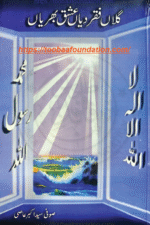
Gallan Faqr Diyan Ishq Bhariyan/گلاں فقر دیاں عشق بھریاں
Introduction to the Book
Gallan Faqr Diyan Ishq Bhariyan (گلاں فقر دیاں عشق بھریاں)
The region of Pothohar has been home to many great Sufi poets, among whom Sufi Syed Akbar Aassi (صوفی سیداکبر عاصی) holds a distinguished place. Born in 1909 in the village Bhindar (بھنڈر), Islamabad, he was deeply rooted in spiritual and literary traditions. His Punjabi poetry collection, Gallan Faqr Diyan Ishq Bhariyan (گلاں فقر دیاں عشق بھریاں), is a testament to his deep devotion to Sufism, his love for the Prophet (PBUH), and his commitment to the path of divine truth.
Syed Akbar Aassi (سیداکبر عاصی) was not only a poet but also a devoted disciple of the Sufi path. His poetry blends themes of divine love, humility, and the search for ultimate truth. He beautifully expresses the struggles and joys of a seeker of truth, portraying both metaphorical and real aspects of spirituality. His words reflect his deep connection with Allah, the Prophet (PBUH), and the saints of Islam.
Life and Career
Belonging to the Rajput (راجپوت) family, Syed Akbar Aassi (سیداکبر عاصی) received his early education in his hometown. Alongside religious teachings, he completed his bAassic schooling up to the eighth grade. In 1932, he joined the Police Department (محکمہ پولیس) and served with honesty and dedication for 35 years, primarily in Delhi (دہلی) before retiring.
Even during his service, he remained deeply inclined towards Sufism. He frequently visited the shrines of saints and maintained a profound spiritual connection with the awliya (اولیاء). His devotion led him to a life centered on worship, contemplation, and poetry, which became a means to spread the message of divine love and unity.
Themes in His Poetry
The poetry of Syed Akbar Aassi (سیداکبر عاصی) revolves around several key themes:
- Divine Love (عشق حقیقی): His verses express a deep yearning for Allah and the Prophet (PBUH), emphAassizing unconditional love and devotion.
- Spiritual Poverty (فقر): Inspired by the teachings of great Sufi saints, he highlights the virtues of humility and detachment from materialism.
- Love for the Ahl al-Bayt (اہل بیت): His poetry showcases his immense respect and admiration for the family of the Prophet (PBUH).
- Guidance for Humanity: He provides spiritual wisdom on how to lead a meaningful and righteous life, free from the suffering of worldly attachments.
A Legacy Preserved
Despite living a simple life, Syed Akbar Aassi (سیداکبر عاصی) left behind a treasure trove of poetic wisdom. His profound words continue to inspire generations of readers and Sufi enthusiasts. His family, including Muhammad Shakeel Ahmad (محمد شکیل احمد), Muhammad Jameel Ahmad (محمد جمیل احمد), and Lateef Ahmad (لطیف احمد), took the noble initiative of compiling and publishing his poetry, ensuring that his message reaches a wider audience.
The book Gallan Faqr Diyan Ishq Bhariyan (گلاں فقر دیاں عشق بھریاں) serves as a guiding light for seekers of truth, encapsulating the essence of Sufism and divine love.
You can read this book at the following link:
🔗 Gallan Faqr Diyan Ishq Bhariyan












FREE DELIVERY
When ordering from $500.